
Strengthening Defenses: Understanding the Cybersecurity Framework (CSF) and Its Importance
In an age where cyber threats are becoming increasingly sophisticated and pervasive, the need for robust cybersecurity measures has never been more critical. Organizations of all sizes and industries are faced with the daunting task of protecting sensitive data, infrastructure, and assets from a myriad of cyber threats. Enter the Cybersecurity Framework (CSF), a comprehensive set of guidelines and best practices developed by the National Institute of Standards and Technology (NIST) to help organizations strengthen their cybersecurity defenses. In this blog post, we’ll delve into what the CSF is, why it’s important, and how it can benefit organizations in today’s digital landscape.
Understanding the Cybersecurity Framework (CSF)
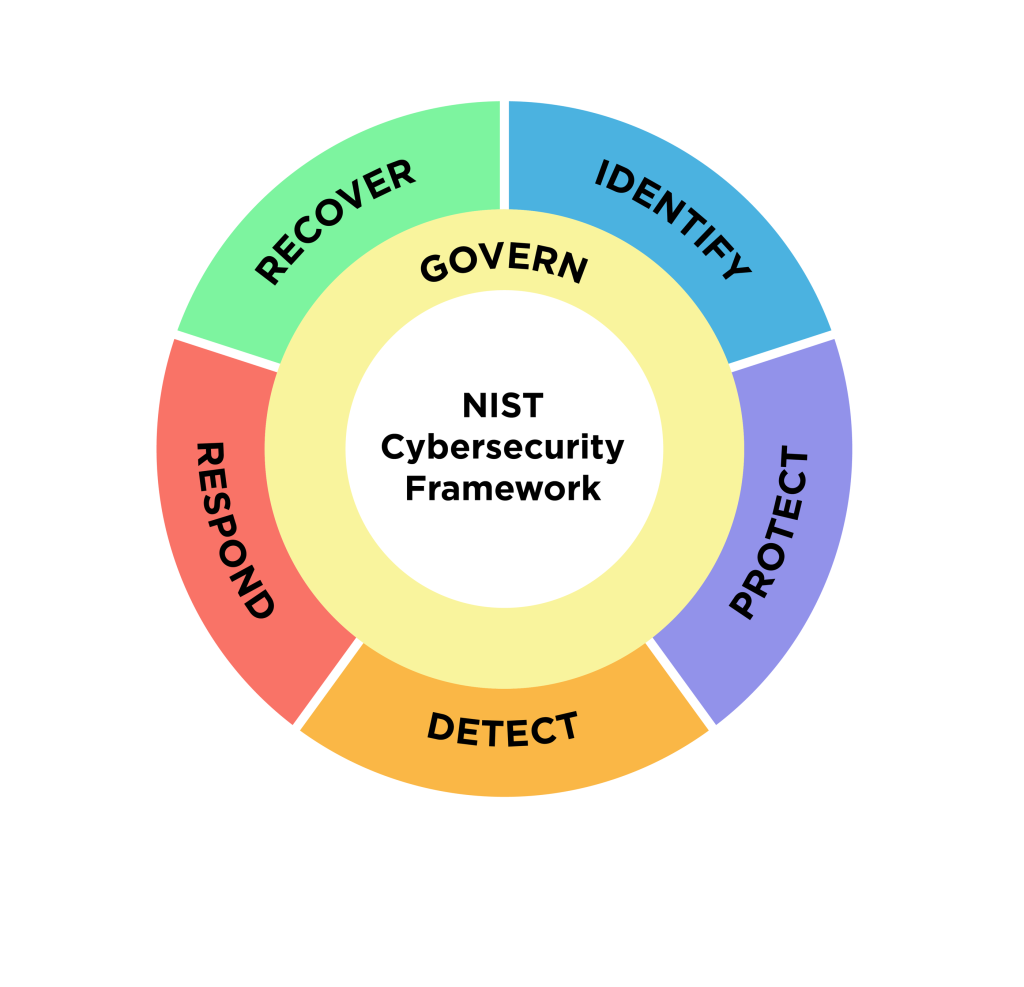
The Cybersecurity Framework (CSF) is a voluntary framework designed to help organizations manage and reduce cybersecurity risks. Developed by NIST in collaboration with industry stakeholders, the CSF provides a common language and set of standards for assessing, managing, and improving cybersecurity practices. It consists of a flexible framework of standards, guidelines, and best practices organized around five core functions: Identify, Protect, Detect, Respond, and Recover.
The Importance of the CSF
- Risk Management: The CSF provides organizations with a systematic approach to cybersecurity risk management. By identifying and prioritizing cybersecurity risks, organizations can allocate resources more effectively, implement appropriate controls, and mitigate the impact of potential security incidents.
- Scalability and Adaptability: One of the key strengths of the CSF is its scalability and adaptability to organizations of all sizes and industries. Whether you’re a small business or a multinational corporation, the CSF can be tailored to meet your specific cybersecurity needs and objectives, making it a valuable tool for organizations across diverse sectors.
- Compliance and Regulatory Alignment: The CSF aligns with other cybersecurity frameworks and regulations, such as HIPAA, GDPR, and PCI DSS, making it easier for organizations to achieve compliance with industry-specific requirements. By adopting the CSF, organizations can streamline their compliance efforts and ensure that they meet the necessary standards for protecting sensitive data and information.
- Enhanced Cybersecurity Posture: Implementing the CSF can help organizations improve their overall cybersecurity posture by providing a structured approach to identifying, implementing, and monitoring security controls. By following the CSF’s guidelines and best practices, organizations can strengthen their defenses, detect security threats more effectively, and respond to incidents in a timely and coordinated manner.
- Resilience and Business Continuity: The CSF helps organizations enhance their resilience and business continuity in the face of cyber threats. By focusing on the Detect, Respond, and Recover functions, organizations can improve their ability to detect security incidents, respond to them promptly, and recover from them with minimal disruption to operations.
Conclusion
In an increasingly interconnected and digital world, the Cybersecurity Framework (CSF) serves as a vital tool for organizations seeking to strengthen their cybersecurity defenses and protect sensitive information. By providing a flexible and adaptable framework for managing cybersecurity risks, the CSF empowers organizations to identify, prioritize, and mitigate security threats effectively. In today’s dynamic threat landscape, the CSF is not just a guideline—it’s a roadmap for building resilience, ensuring compliance, and safeguarding the future of organizations in the digital age.